Full-Stack Efficiency
Discover how to streamline your development workflow and maximize productivity by mastering the art of full-stack efficiency.
The Philosophy of Full-Stack Efficiency
Full-stack efficiency is not about working faster; it is about reducing cognitive load and eliminating bottlenecks between the front-end and back-end. By adopting a unified development mindset, developers can bridge the gap between interface design and server-side logic, leading to faster deployment cycles and more maintainable codebases.
Leveraging Shared Types and Schemas
One of the biggest time-sinks in full-stack development is maintaining consistency between your API and your UI components. Using shared schemas ensures that if your database structure changes, your front-end automatically knows what to expect.
// Using Zod to share schema validation between client and server
import { z } from 'zod';

export const UserSchema = z.object({
  id: z.string().uuid(),
  username: z.string().min(3),
  email: z.string().email(),
});

export type User = z.infer<typeof UserSchema>;
Core Principles for Streamlined Development
Standardize your stack: Stick to a language ecosystem (like TypeScript) to minimize context switching.
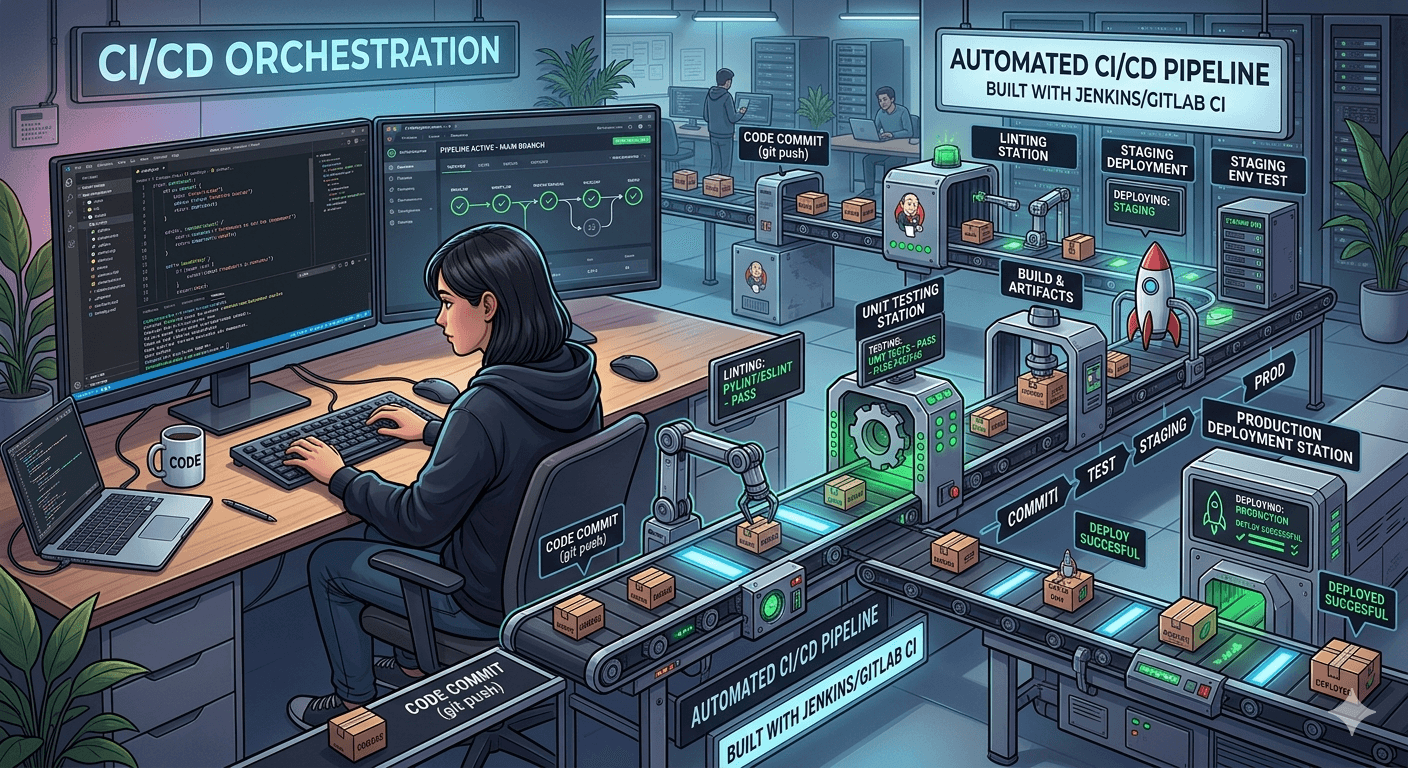
Automate everything: Implement CI/CD pipelines that handle testing, linting, and deployment without manual intervention.
Component-driven development: Build UI elements that are decoupled from business logic to ensure reusability.
Use API-first design: Define your contracts early using tools like OpenAPI or tRPC to prevent integration friction.

Balancing Tooling and Complexity
While advanced tooling can increase velocity, it can also lead to 'over-engineering.' The goal of full-stack efficiency is to simplify. If a framework adds more configuration overhead than the time it saves, it is likely a hindrance rather than a help. Always prioritize readable, standard code over clever 'magic' solutions that are difficult for your team to debug.